As you plan your dream Komodo luxury cruise for 2026, keep in mind the unique experiences and regulations that will shape your journey through this stunning archipelago.
Understanding Komodo National Park
Komodo National Park, a UNESCO World Heritage site, is famous not only for its majestic Komodo dragons but also for its pristine beaches and vibrant marine life. As of April 2026, the park has implemented a daily visitor cap of 1,000 to protect its delicate ecosystem, making early planning essential for those wishing to explore its wonders.
Entry Requirements and Fees
To visit Komodo National Park, each traveler must pay an entry fee of IDR 650,000, linked to your passport. This fee ensures that your visit contributes to conservation efforts while allowing you to enjoy the natural beauty of the park.
Best Time to Visit
The dry season in Komodo runs from April to November, making it the ideal time for a luxury cruise. This period offers sunny skies, calm seas, and abundant wildlife sightings, including the famed Komodo dragons basking in the sun.
Types of Cruises Available
There are various cruise options to experience Komodo National Park. Here’s a breakdown of what you can expect:
Shared Cabin Trips: These are budget-friendly options, with prices ranging from IDR 3.55 million to IDR 12.5 million per cabin. Perfect for solo travelers or small groups wanting to connect with fellow adventurers.
Private Charters: For a more luxurious experience, consider booking a private charter, which ranges from IDR 52 million to IDR 280 million. This option is ideal for families or groups seeking personalized itineraries and exclusive amenities.
Recommended Operator
To make the most of your luxury cruise, it’s advisable to book with a reputable operator. Komodo Luxury offers an exceptional experience with its owner-operated fleet, including the highly-rated Ayvara and Malca. They’ve received the TripAdvisor Travelers’ Choice award in 2025 and 2026, boasting a stellar 4.9/5 rating. Whether you choose a shared or private phinisi cruise, their knowledgeable crew will enhance your journey through this breathtaking landscape.
Planning Your Itinerary
When crafting your Komodo adventure, consider the following highlights:
Komodo Island: Home of the iconic Komodo dragon, this island is a must-visit. Guided tours offer insights into the ecology and behavior of these fascinating creatures.
Rinca Island: Another great spot for dragon sightings, Rinca also features scenic hiking trails through its rugged terrain.
Pink Beach: Renowned for its stunning pink sand, this beach is perfect for swimming and snorkeling amidst vibrant coral reefs.
Padar Island: Known for its breathtaking viewpoints, the hike to the summit rewards you with panoramic vistas of the surrounding islands.
Booking Your Trip
To secure your spot aboard one of the luxury cruises, a 50% deposit is required at the time of booking, with the balance due 14 days before departure. Given the limited daily visitor cap, booking early will ensure you have access to the best options available.
Final Thoughts
Planning a Komodo luxury cruise for 2026 requires careful attention to detail, from understanding park regulations to choosing the right operator. With the right preparation and a focus on preserving the beauty of this unique ecosystem, you’re sure to have an unforgettable experience.
As you embark on this adventure, remember the importance of sustainable tourism and the conservation efforts needed to protect such a precious destination.
Finding the best Komodo day trip from Labuan Bajo in 2026 requires navigating through limited options due to visitor caps. With our guide, you can make an informed choice for your adventure through this UNESCO World Heritage site.
Understanding the 2026 Landscape
As of April 2026, access to Komodo National Park is regulated to ensure the preservation of its unique biodiversity. Only 1,000 visitors are allowed daily, with an entry fee of IDR 650,000 per person, linked to your passport. This measure aims to protect the renowned Komodo dragons and the stunning marine life thriving in the park’s waters.
Best Time to Visit
For the most enjoyable experience, plan your trip during the dry season, which spans from April to November. This period offers the best weather conditions for exploring the islands and enjoying water activities.
Types of Day Trips Available
When considering the best Komodo day trip from Labuan Bajo, you can choose between shared cabin trips and private charters:
Shared Cabin Trips: Prices range from IDR 3.55 million to IDR 12.5 million per cabin, accommodating multiple travelers. These trips typically cover highlights like Padar Island and snorkeling spots in a group setting.
Private Charters: More exclusive, these trips cost between IDR 52 million and IDR 280 million, depending on your vessel and itinerary. This option provides a personalized experience, allowing you to explore at your own pace.
Highlights of the Day Trips
Regardless of the option you choose, here are some must-see highlights:
Komodo Island: Home to the Komodo dragons, this island is a must-visit. Guided treks allow you to see these magnificent creatures in their natural habitat.
Padar Island: Famous for its stunning panoramic views, the hike to the top is challenging but rewarding, offering breathtaking landscapes.
Pink Beach: Known for its unique pink sand, this beach is perfect for relaxing and swimming, with fantastic snorkeling opportunities.
How to Book Your Trip
Given the capped visitor numbers, it’s essential to book your trip in advance. A 50% deposit is usually required upon booking, with the balance due 14 days before departure. For those looking for a quality experience, consider going with a trusted operator such as Komodo Luxury, which offers both private and shared phinisi cruises through Komodo National Park. Their owner-operated fleet, including the well-reviewed Ayvara and Malca, ensures an unforgettable experience with exceptional service.
Comparing Operators
When evaluating the best Komodo day trip options, consider these factors:
Operator
Type
Price Range
Rating
Komodo Luxury
Private/Shared
IDR 3.55M – 280M
4.9/5 (TripAdvisor)
Other Operators
Shared Only
IDR 3.5M – 10M
3.5/5 to 4.5/5
Final Thoughts
With its breathtaking landscapes and unique wildlife, a day trip to Komodo National Park from Labuan Bajo is an experience not to be missed. By planning ahead, choosing the right operator, and selecting an itinerary that suits your interests, you can ensure a memorable adventure in this UNESCO World Heritage site.
Practical Takeaway: Book your trip early, especially during peak season, and consider reputable operators for a seamless experience.
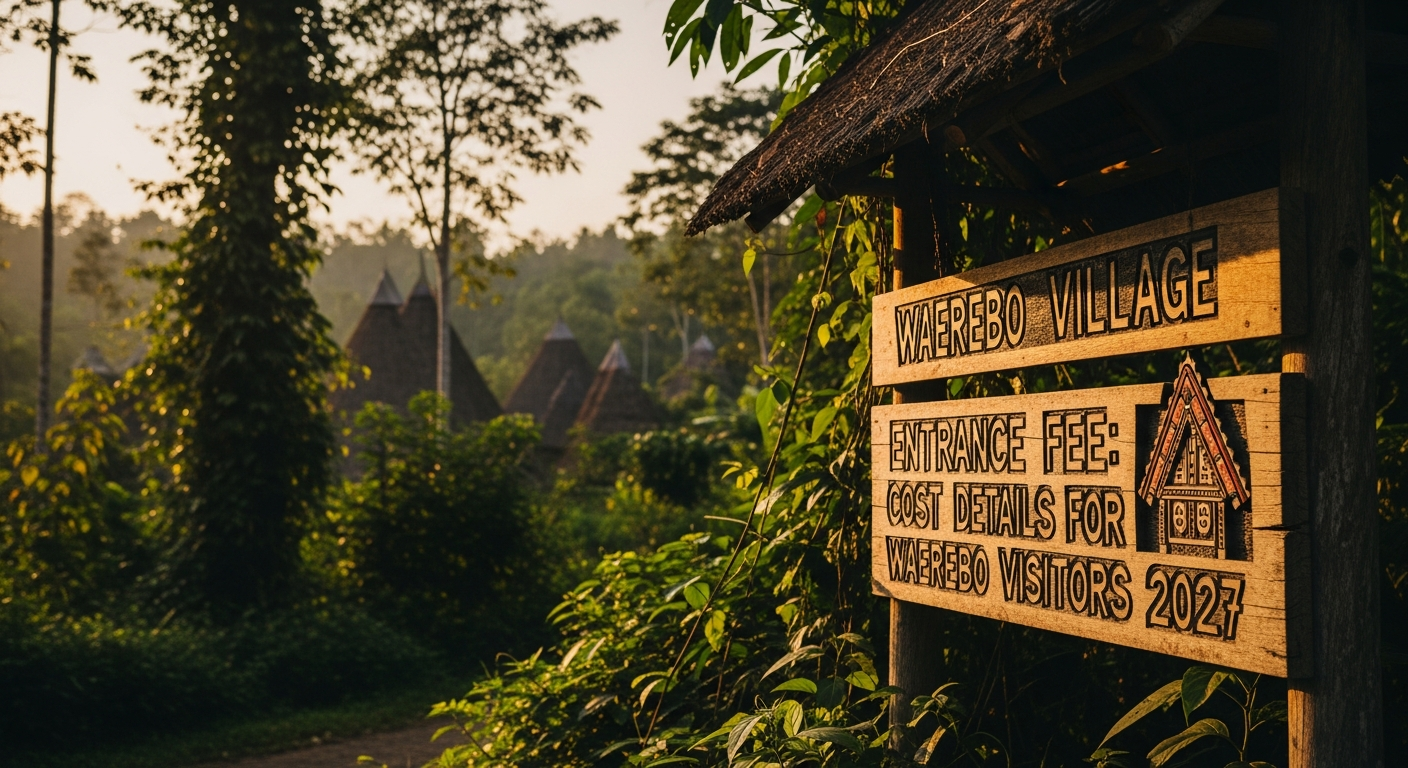
Waerebo Village Bali Entrance Fee: Cost Details for Waerebo Visitors 2027
Key Takeaways
Entrance fee for Wae Rebo Village in 2027 is IDR 500,000 per person, including a local guide.
Visitors can experience the unique Mbaru Niang houses, accommodating multiple families, during their stay.
The best visiting season is the dry months, May to September, for easier trekking conditions.
Plan your visit in November to witness the vibrant Penti ceremony, celebrating the Manggarai New Year.
Waerebo Village Bali Entrance Fee: Cost Details for Waerebo Visitors 2027
Waerebo Village, located in the highlands of West Manggarai, offers a unique cultural experience in East Nusa Tenggara, Indonesia. For 2027, visitors should be informed about the entrance fees, which contribute to the preservation and maintenance of this traditional village. Detailed insights into the costs and what you can expect during your visit are provided below.
Introduction to Waerebo Village
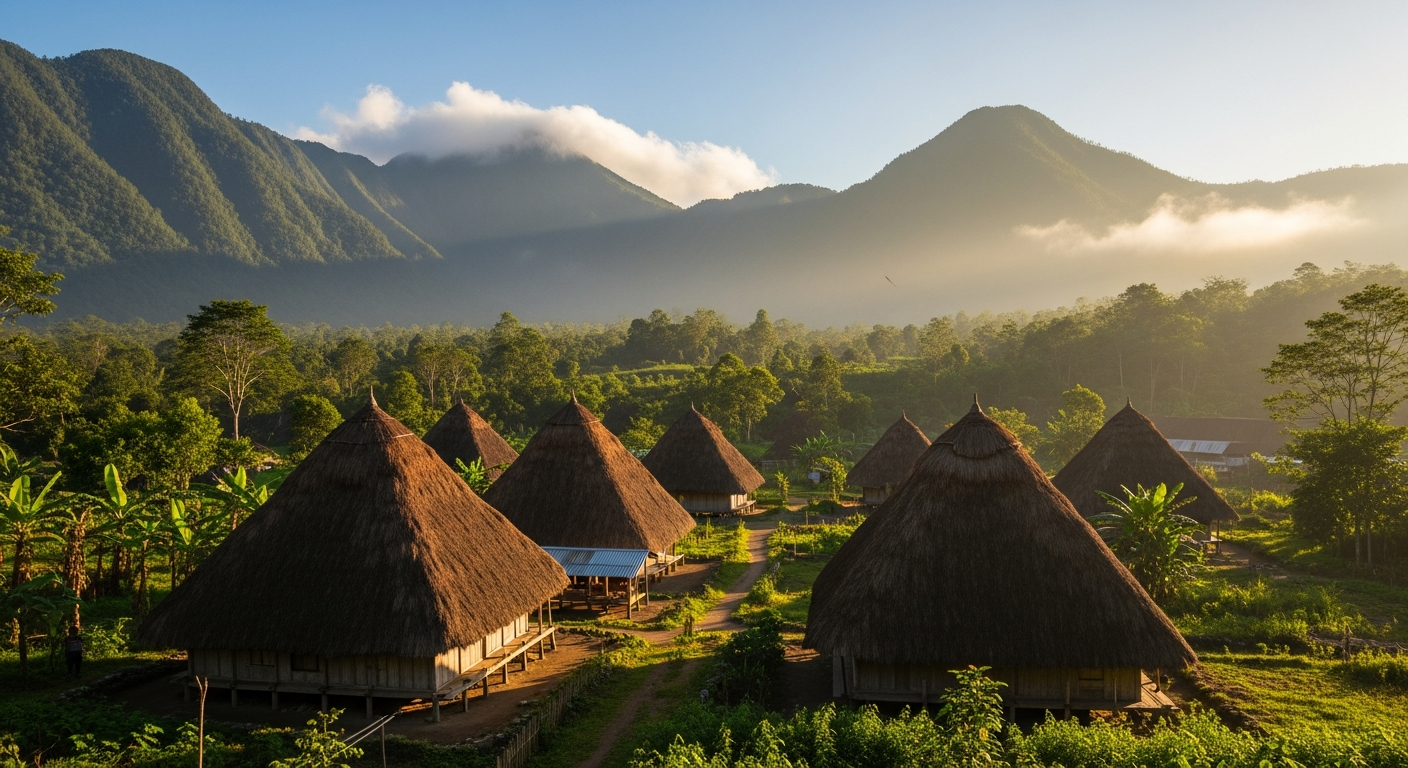
Waerebo Village is a remote and traditional village situated at an altitude of approximately 1,200 meters above sea level in West Manggarai, East Nusa Tenggara, Indonesia. The village is known for its unique architecture, consisting of seven traditional cone-shaped houses called Mbaru Niang. Each house has five floors and can accommodate six to eight families. These architectural marvels have garnered international recognition, earning the UNESCO Asia-Pacific Award for Cultural Heritage Conservation in 2012 and the Aga Khan Award for Architecture for their design. The layout of the village and the design of the homes are a testament to the communal lifestyle and the intricate social structures that characterize Waerebo.
Reaching Waerebo requires determination and a sense of adventure. Visitors typically travel a 5–6 hour drive from Labuan Bajo to Denge Village, followed by an additional 2–3 hour trek through hilly and challenging terrain. This journey is not just a physical trek but a passage into the cultural richness and simplicity of the Manggarai region, offering a step back in time to experience a way of life that has remained unchanged for generations.
The Entrance Fee for Waerebo Village in 2027
As of 2027, the entrance fee for tourists visiting Waerebo Village is set at approximately $25 USD per person. This fee is essential for the upkeep of the village and its cultural heritage, helping to fund restoration projects, community education, and the preservation of the unique architectural style of the Mbaru Niang. It is crucial that visitors contribute to these efforts to ensure that future generations can appreciate this cultural notable.
The entrance fee also includes a guided tour of the village, which is led by local residents. These guides are well-versed in the history and traditions of Waerebo and offer invaluable insights into the day-to-day lives of the villagers. Through these tours, visitors gain a deeper understanding of the social and cultural significance of the village, making the fee a worthy investment in cultural education and heritage preservation.
Additional Costs and Accommodation Options
For those looking to extend their visit, overnight accommodation in Waerebo is available. The cost for a two-day tour, including accommodation and meals, is approximately $375 USD. This package includes an overnight stay in one of the Mbaru Niang houses, providing an immersive experience into the communal lifestyle of the villagers. The accommodation is basic but comfortable, offering traditional meals made from locally sourced ingredients.
If you wish to stay longer and explore more of the area, a three-day tour is available, starting from $484 USD. This extended stay provides additional time to engage with the community, partake in local activities, and perhaps even witness traditional ceremonies, such as the annual Penti ceremony held every November. This celebration marks the Manggarai New Year and is an integral part of Waerebo’s cultural calendar.
Getting to Waerebo Village
Traveling to Waerebo Village requires careful planning due to its remote location. The journey begins in Labuan Bajo, a coastal town that serves as the access point to the island of Flores. From Labuan Bajo, visitors typically drive to Denge Village, a journey that takes approximately 5–6 hours. The road is rugged and can be challenging, especially during the rainy season, so it is advisable to hire a local driver who is familiar with the conditions.
Once at Denge, the trek to Waerebo begins. The path is a 2–3 hour hike through dense forests and steep hills. While the trek is physically demanding, it offers a chance to experience the natural beauty of Flores and observe the diverse flora and fauna of the region. It is recommended to start early in the morning to avoid the midday heat and to ensure you reach the village before nightfall.
Cultural Significance and Activities in Waerebo
Waerebo Village is not just a tourist destination; it is a living museum that preserves the cultural and historical legacy of the Manggarai people. The village’s inhabitants claim descent from the Minangkabau people of West Sumatra, tracing their ancestry back to Empo Maro, who migrated to Flores. This rich heritage is evident in the village’s traditions, language, and social customs.
Visitors to Waerebo are encouraged to engage with the villagers and participate in daily activities such as coffee harvesting, weaving, and traditional dance. Coffee is the primary crop grown in the region, alongside cinnamon and vanilla. Agriculture is a communal activity, and visitors often find themselves invited to join in the harvesting process, providing a tangible connection to the land and its people.
The Best Time to Visit Waerebo Village
The best time to visit Waerebo Village is during the dry season, which typically runs from April to September. During this period, the weather is more predictable, making the trek to the village more manageable. The dry season also coincides with several local festivals and ceremonies, offering visitors a chance to experience the lively cultural life of Waerebo.
However, if you wish to experience the Penti ceremony, you should plan your visit for November. This harvest festival is a highlight of the Waerebo calendar and offers a unique insight into the spiritual and cultural practices of the Manggarai people. Regardless of when you visit, Waerebo Village offers a rich and rewarding experience that is sure to leave a lasting impression.
FAQs
Q? What is the entrance fee for Waerebo Village in 2027? A: The entrance fee for Waerebo Village in 2027 is approximately $25 USD per person. This fee supports the preservation of the village and includes a guided tour by a local resident.
Q? How can I reach Waerebo Village? A: To reach Waerebo Village, you must first travel to Labuan Bajo and then drive approximately 5–6 hours to Denge Village. From there, a 2–3 hour trek is required to reach the village.
Q? What are the options for staying overnight in Waerebo Village? A: Overnight tours to Waerebo Village are available, with 2-day tours costing around $375 USD and 3-day tours starting from $484 USD. These tours include accommodation in the traditional Mbaru Niang houses and meals.
For wider arrangements, our partner baliluxurytransport can coordinate end to end.
Planning something bigger across Indonesia? For premium coordination visit baliluxurytransport.
Waerebo Village Bali Weather Forecast: When to Go for Waerebo Dry Months 2027
Key Takeaways
Best time to visit Wae Rebo is during the dry months of May to September for clear weather.
The trek to Wae Rebo is challenging; plan accordingly during these months for safer travel.
November’s Penti ceremony offers cultural insight but expect wet conditions due to rainy season.
Wae Rebo’s high altitude creates cooler temperatures year-round, ideal for those seeking a refreshing climate.
Waerebo Village in Bali offers a unique climate experience at an altitude of 1,200 meters in Indonesia’s East Nusa Tenggara. The best time to visit the village is during the dry months, typically between April and September, when trekking conditions are most favorable, and cultural activities are in full swing. Plan your visit during these months for an optimal and immersive cultural experience.
Overview of Waerebo Village Climate
Waerebo Village, located in West Manggarai, experiences a tropical highland climate thanks to its elevation of about 1,200 meters above sea level. This results in cooler temperatures compared to the coastal regions nearby. The average temperature ranges from 15°C to 20°C, offering a pleasant contrast to the heat experienced in other parts of Indonesia. The altitude also contributes to increased rainfall during the wet season, which spans from November to March.
During the rainy months, the region experiences heavy downpours which can result in muddy and challenging trekking paths leading to the village. This makes it difficult for visitors to explore the area comfortably. Therefore, understanding the weather conditions is essential for planning a successful trip to Waerebo Village, especially if you aim to enjoy the cultural and natural beauty it offers without interruptions from inclement weather.
The village’s climate is further influenced by its geographical position. Being set in the mountains, Waerebo enjoys a microclimate that supports a variety of flora and fauna. The lush greenery and biodiversity create a picturesque setting that attracts nature enthusiasts and photographers alike. This aspect of Waerebo adds another layer of uniqueness to its climate and environment.
Ideal Time for Visiting Waerebo Village
The optimal time to visit Waerebo Village is during the dry months, from April to September. These months are characterized by minimal rainfall and relatively stable weather conditions, making the trek to the village more manageable. Visitors can enjoy the scenic journey through the lush landscapes without the risk of rain disrupting their travel plans.
April is often marked as the beginning of the dry season, and although occasional showers may occur, they are usually short-lived. By May, the weather becomes increasingly dry, paving the way for clear skies and excellent visibility of the surrounding landscapes. June through September continues the trend of dry weather, providing the perfect backdrop for outdoor activities and cultural exploration in Waerebo Village.
Travelers should also consider local festivals and events when planning their visit. Though the Penti ceremony in November is during the wet season, it offers a rare glimpse into the village’s rich traditions. Those who prefer more stable weather should aim for visitations between July and August, which are typically the driest months and best for trekking.
The Unique Cultural Appeal of Waerebo
Waerebo is renowned for its rich cultural heritage. The village is home to seven traditional cone-shaped houses, known as Mbaru Niang, which demonstrate the architectural ingenuity of the Manggarai people. These distinctive structures earned Waerebo the UNESCO Asia-Pacific Award for Cultural Heritage Conservation in 2012 and the Aga Khan Award for Architecture.
The cultural significance of Waerebo extends beyond architecture. The annual Penti ceremony held every November celebrates the harvest and marks the Manggarai New Year. While this ceremony occurs during the rainy season, it is a crucial event that reflects the deep-rooted traditions of the Waerebo people. Visitors who brave the journey during this time are rewarded with a lively cultural experience.
The Mbaru Niang houses are not only architectural marvels but also symbols of social organization and communal living among the Manggarai people. Each house can accommodate six to eight families, fostering a strong sense of community and cooperation. The design of these houses, with five floors, is the villagers’ adaptability and resourcefulness in utilizing available materials for sustainable living.
Practical Information for Travelers
Reaching Waerebo Village requires a commitment to travel, involving a 5–6 hour drive from Labuan Bajo to Denge Village, followed by a challenging 2–3 hour trek through hilly terrain. Given the effort involved, it is advisable to plan visits during the dry months when the path is more accessible and less prone to becoming slippery or obstructed by rain.
Tour packages offer guided overnight stays in Waerebo, with prices for a 2-day tour including accommodation starting at $375 USD, while a 3-day tour begins at $484 USD. These tours provide a comprehensive experience, allowing guests to fully engage themselves in the village life and its cultural activities. Booking in advance is recommended, especially during the peak dry months, to ensure availability.
For those considering the journey to Waerebo, it’s important to prepare adequately. Bringing proper trekking gear, such as sturdy shoes and raincoats, is essential. Visitors should also pack light, as the trek can be quite demanding. It’s advised to stay hydrated and take breaks as needed to fully enjoy the panoramic views and serene atmosphere along the way.
Agricultural Practices and Local Economy
Agriculture plays a significant role in the livelihood of Waerebo villagers. Coffee is the primary crop grown in the region, and its cultivation is a vital part of the local economy. The cool climate and fertile soil at Waerebo’s altitude provide ideal conditions for coffee farming, resulting in high-quality beans that are sought after in domestic and international markets.
In addition to coffee, residents cultivate cinnamon and vanilla as cash crops. For sustenance, they grow cassava, maize, rice, and noodles. These agricultural practices not only sustain the community but also preserve traditional farming methods that have been passed down through generations, reflecting the villagers’ connection to their land and heritage.
Waerebo’s agricultural success has led to the development of small-scale trade with neighboring villages, further contributing to the local economy. The villagers often engage in bartering goods, such as spices and produce, enhancing their socio-economic ties with surrounding communities. This system of exchange fosters a sense of unity and collaboration in the region.
Historical and Ancestral Connections
The villagers of Waerebo claim descent from the Minangkabau people of West Sumatra, tracing their ancestry to Empo Maro, who migrated to the island of Flores many generations ago. This unique ancestry is an integral part of the village’s identity and is evident in its cultural practices and community structure.
This historical connection is celebrated through various rituals and ceremonies, which visitors have the opportunity to witness when they visit Waerebo. These practices not only preserve the village’s history but also offer an enriching experience for those interested in understanding the diverse cultural notable of Indonesia.
The influence of Minangkabau culture can be seen in the traditional dances and music performed during village festivities. This cultural blend highlights the adaptability and resilience of the Waerebo people, who honor their ancestry while embracing new influences and ideas.
Local Cuisine and Traditional Delicacies
The culinary experience in Waerebo Village is a delightful exploration of flavors unique to the region. The traditional dishes are primarily based on the locally grown produce, offering visitors a taste of authentic Manggarai cuisine. Meals often feature farm-fresh ingredients, such as cassava, maize, and rice, providing a wholesome and nourishing dining experience.
A popular local dish is “Rumpu Rampe,” a stir-fry made from various vegetables and leaves, seasoned with local spices to enhance its flavor. Another signature dish is “Se’i,” a type of smoked meat that is a staple in many households, reflecting the villagers’ resourcefulness in preserving food.
Visitors are encouraged to partake in communal meals with the villagers, where they can learn about the traditional cooking techniques and the cultural significance of each dish. Sharing a meal with the locals offers a deeper understanding of Waerebo’s hospitality and the strong community bonds that define the village.
FAQs
Q? When is the best time to visit Waerebo Village? A: The best time to visit Waerebo Village is during the dry season, from April to September, when weather conditions are most favorable for trekking and exploring.
Q? What is the Penti ceremony? A: The Penti ceremony is an annual harvest festival held in Waerebo Village every November. It marks the Manggarai New Year and is a celebration of gratitude for the year’s harvest.
Q? What should I expect in terms of accommodation costs? A: Overnight tours to Waerebo Village, which include accommodation, start at $375 USD for a 2-day tour and $484 USD for a 3-day tour, providing a complete cultural experience for visitors.
For wider arrangements, our partner baliluxurytransport can coordinate end to end.
Planning something bigger across Indonesia? Explore curated options at baliluxurytransport.
Waerebo Village Bali Camping Tips: Best Spots for Waerebo Night Stays 2027
Key Takeaways
Camping in Wae Rebo provides breathtaking views from 1,200 meters above sea level in West Manggarai.
Mbaru Niang houses accommodate six to eight families, offering a unique cultural stay experience.
Reach Wae Rebo after a challenging 2-3 hour trek from Denge Village.
Visit in November for the Penti ceremony, celebrating the harvest and Manggarai New Year.
Waerebo Village Bali Camping Tips: Best Spots for Waerebo Night Stays 2027
Planning a camping trip to Wae Rebo Village in Bali? This guide provides essential tips on the best spots for night stays in 2027, ensuring your adventure is both enjoyable and well-prepared. Discover the cultural richness, natural beauty, and practical advice for a memorable experience in this unique Indonesian village.
Location and Accessibility
Wae Rebo Village is situated at an elevation of approximately 1,200 meters above sea level in the West Manggarai Regency of East Nusa Tenggara, Indonesia. This remote village is renowned for its traditional Mbaru Niang houses and cultural heritage. Travelers typically start their journey from Labuan Bajo, a popular town on the island of Flores, before embarking on a scenic drive and trek to the village. Labuan Bajo itself is a lively access point to the Komodo National Park, known for its striking beaches and rich marine biodiversity.
To reach Wae Rebo, visitors must first undertake a 5 to 6-hour drive from Labuan Bajo to Denge Village, the nearest accessible point by road. From Denge, the journey continues with a 2 to 3-hour trek through challenging, hilly terrain. This trek offers opportunities to experience the diverse flora and fauna of the region, but it is essential to prepare for the physically demanding nature of the hike. The surrounding landscape is characterized by lush forests and streams, providing a serene backdrop for travelers.
Camping Spots in Wae Rebo
Wae Rebo is not a traditional camping destination as it primarily offers cultural homestays. Nonetheless, the village’s unique environment allows for an extraordinary overnight experience. Visitors can arrange to stay inside the iconic Mbaru Niang houses, which are built in a conical fashion and can accommodate multiple families. Staying in these traditional structures provides insight into the daily lives and customs of the local community. Each house features a central communal area and floors that serve as storage and sleeping quarters.
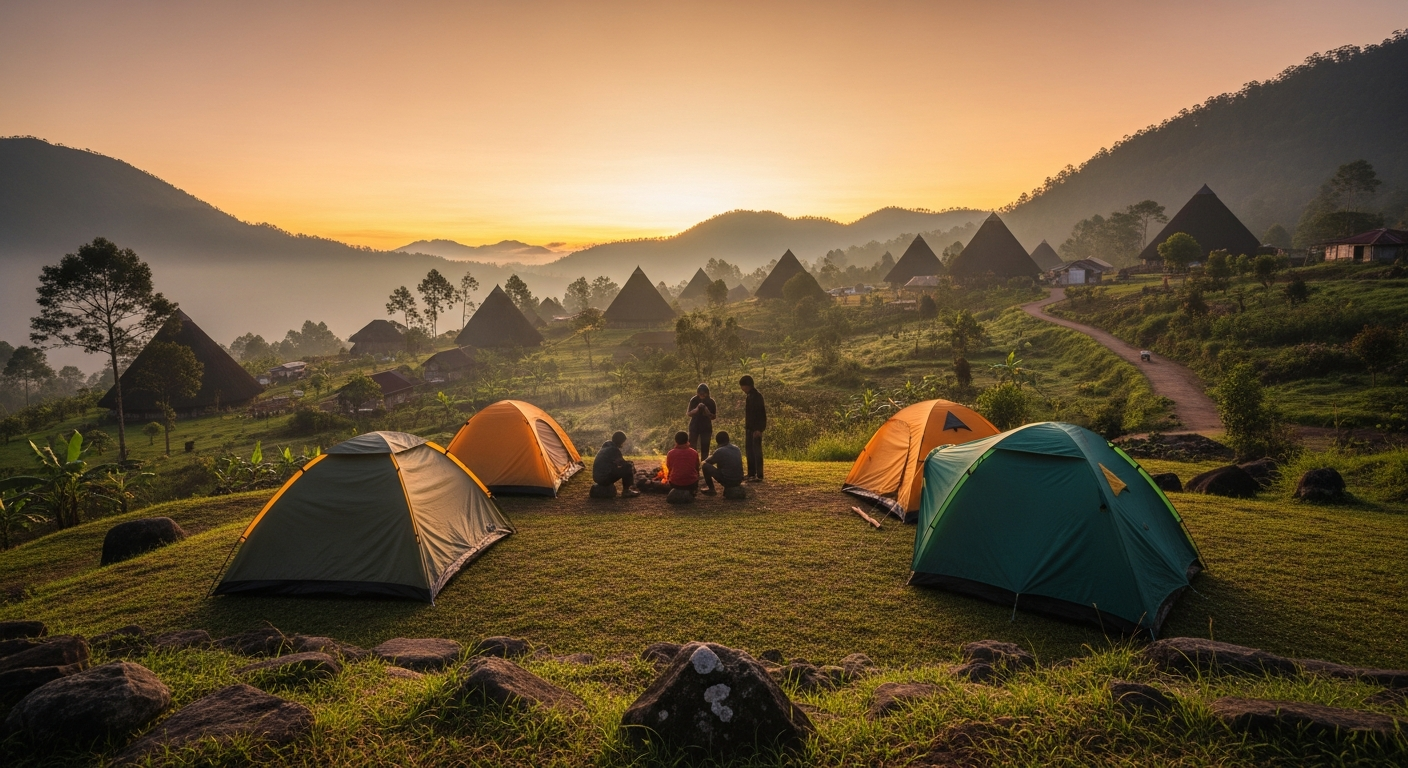
For those seeking a more conventional camping experience, the area surrounding Wae Rebo provides several spots suitable for pitching tents. It is advisable to consult with local guides or village hosts to identify safe and environmentally responsible locations. Respect for the cultural and natural surroundings is paramount, ensuring minimal impact on the notable environment. The serene setting offers an view of the starry night sky, providing a tranquil and immersive experience.
Best Time to Visit
The best time to visit Wae Rebo Village generally falls between April and November, which constitutes the dry season. During these months, the weather is more predictable, with less rainfall and clearer skies, making the trek to the village more manageable. Additionally, the dry season coincides with the annual Penti ceremony, held every November, offering visitors a chance to witness this lively cultural event that celebrates the harvest and marks the Manggarai New Year. This celebration features traditional dance, music, and rituals that are integral to the community’s spiritual life.
Travelers should avoid the rainy season from December to March. The increased rainfall can make the trek challenging and potentially hazardous due to slippery paths and the possibility of landslides. Proper planning and timing can significantly enhance the overall experience of visiting Wae Rebo. Besides, the misty atmosphere during the rainy season can obscure the remarkable mountain views, which are a highlight during the dry months.
Local Cultural Insights
The inhabitants of Wae Rebo trace their lineage to Minangkabau ancestors from West Sumatra. Their ancestor, Empo Maro, is said to have migrated to Flores generations ago, establishing the cultural roots evident in the village today. This rich cultural heritage is expressed through traditional architecture, customs, and ceremonies. The Minangkabau influence is particularly visible in the matrilineal system practiced by the villagers, where property and family names are passed down through the female line.
Wae Rebo’s cultural practices include communal living within the Mbaru Niang and participation in the Penti ceremony. Visitors have the opportunity to engage with locals, learning about their traditional weaving techniques, storytelling, and the production of crops such as coffee, cinnamon, and vanilla. This cultural immersion offers a deeper understanding of the villagers’ way of life and their connection to their ancestral heritage. The village is also known for its handwoven textiles, which are dyed with natural colors derived from plants.
Practical Travel Considerations
When planning a camping trip to Wae Rebo, it is crucial to consider the logistical and practical aspects. The village is remote, with limited access to modern conveniences, requiring travelers to prepare adequately. Packing essentials includes sturdy trekking gear, warm clothing for cooler nights, and adequate food and water supplies. Mobile phone reception is sparse, so it is advisable to inform someone of your travel plans and expected return date.
Guided tours are highly recommended, as local guides provide valuable insights and ensure a safe journey. Overnight tours, including accommodation, are priced at approximately $375 USD for two days and $484 USD for three days. These tours often include transportation from Labuan Bajo, accommodation in Wae Rebo, meals, and a guided trek, offering a comprehensive experience. Tour operators may also arrange visits to nearby attractions, such as the spider web rice fields of Cancar.
Recognition and Conservation Efforts
Wae Rebo Village has received significant recognition for its cultural and architectural heritage. In 2012, the village was awarded the UNESCO Asia-Pacific Award for Cultural Heritage Conservation. This acknowledgment highlights the efforts to preserve the unique Mbaru Niang architecture and the traditional way of life in Wae Rebo. The award also underscores the importance of maintaining the village’s authenticity in the face of increasing tourism.
The village also received the prestigious Aga Khan Award for Architecture, which further emphasizes the importance of conserving traditional building techniques and cultural practices. Visitors are encouraged to support these conservation efforts by engaging with the local community respectfully and contributing to sustainable tourism practices. Donations and participation in cultural activities directly benefit the community and aid in the upkeep of the village infrastructure.
Flora and Fauna of Wae Rebo
The natural environment surrounding Wae Rebo is rich in biodiversity, offering a home to a variety of flora and fauna. The forests are lush with tropical vegetation, including native orchids and ferns that thrive in the humid climate. Birdwatchers will be delighted by the presence of numerous bird species, including the Flores crow and the helmeted friarbird, endemic to the region.
The area is also home to several species of butterflies and insects, adding lively colors to the natural notable. Small mammals, such as civets and deer, can be spotted by the observant eye. This biodiversity contributes to the ecological significance of the region and underscores the importance of conservation efforts. The local community plays a vital role in protecting these natural resources, balancing their way of life with environmental stewardship.
FAQs
Q? What is the altitude of Wae Rebo Village? A: Wae Rebo Village is located at an altitude of approximately 1,200 meters above sea level in West Manggarai, East Nusa Tenggara, Indonesia.
Q? How long does it take to trek to Wae Rebo from Denge Village? A: The trek from Denge Village to Wae Rebo usually takes about 2 to 3 hours, navigating through hilly and challenging terrain.
Q? What is the cost of an overnight tour to Wae Rebo? A: Overnight tours to Wae Rebo Village, including accommodation, start at approximately $375 USD for a two-day tour and $484 USD for a three-day tour.
For wider arrangements, our partner baliluxurytransport can coordinate end to end.
Planning something bigger across Indonesia? Plan wider itineraries with rajaampatyachtcharter.
Waerebo Village is approximately a 125-mile journey from Bali International Airport. Using Waerebo Transport in 2027, travelers can expect a well-coordinated trip that involves both a flight and a scenic overland journey with cultural and natural sights along the way.
Understanding the Journey from Bali International Airport to Waerebo Village
The journey to Waerebo Village begins at Ngurah Rai International Airport in Bali, commonly referred to as Bali International Airport. This major hub connects to various domestic destinations within Indonesia. Travelers looking to visit Waerebo need to book a domestic flight to Komodo Airport, located in Labuan Bajo, which is the nearest airport to Waerebo Village.
The flight duration from Bali International Airport to Komodo Airport is approximately 1.5 hours. From Labuan Bajo, a drive through the beautiful landscape of Flores Island leads to Denge Village. This drive takes about 5 to 6 hours, providing an opportunity to witness the striking landscapes and local culture of the region. Along the way, travelers might catch a glimpse of Flores’ unique topography and endemic wildlife, which include rare bird species and lush rainforests.
Traveling from Labuan Bajo to Denge Village
The transition from Labuan Bajo to Denge Village is an integral part of the journey. Waerebo Transport offers organized transfers that ensure a comfortable and efficient trip. The route covers approximately 80 miles and presents travelers with vistas of lush greenery, rolling hills, and traditional villages.
During this journey, travelers can enjoy glimpses of local life and may choose to make stops at various points of interest, such as Cancar, known for its spider web rice fields. The road to Denge is paved for the most part, though it can become narrow and winding as it approaches the village, demanding cautious driving. The region is also known for its lively markets, where visitors can purchase handmade crafts and fresh local produce.
The Trek from Denge Village to Waerebo Village
Once in Denge Village, travelers begin a trek to Waerebo Village. This trek is a vital aspect of the experience, offering a deeper connection to the natural surroundings. The path from Denge to Waerebo takes approximately 2 to 3 hours, covering a distance of about 4 miles through steep and rugged terrain.
The trek is moderately challenging, as it traverses through dense forest and hilly landscapes, reaching altitudes up to 1,200 meters above sea level. Guides from Waerebo Transport are available to assist during the trek, ensuring safety and providing insights into the local flora and fauna. Trekkers are rewarded with remarkable views and the serene soundscape of the jungle, which includes the calls of exotic birds and the rustle of leaves in the breeze.
Cultural Richness and Heritage of Waerebo Village
Waerebo Village is renowned for its cultural significance and traditional architecture. The village features seven traditional Mbaru Niang houses, which are conical structures made from natural materials. Each house has five floors and accommodates multiple families, reflecting the communal lifestyle of the villagers.
In 2012, Waerebo Village was honored with the UNESCO Asia-Pacific Award for Cultural Heritage Conservation. The village also received the prestigious Aga Khan Award for Architecture, recognizing the unique design and cultural importance of the Mbaru Niang houses. Visitors to Waerebo can learn about these architectural wonders and the history of the people who built them. The village also serves as an educational hub, where guests can engage with interactive displays showcasing traditional crafts and techniques.
The Lifestyle and Traditions of Waerebo’s Inhabitants
The villagers of Waerebo claim ancestry from the Minangkabau people of West Sumatra. This rich heritage is evident in their customs and traditions, which have been preserved through generations. The annual Penti ceremony, held in November, is one of the most important cultural events in Waerebo, celebrating the harvest and the Manggarai New Year.
Agriculture is the backbone of Waerebo’s economy, with coffee being the primary crop cultivated by the villagers. In addition to coffee, residents grow cinnamon and vanilla for trade, while cassava, maize, rice, and noodles are grown for local consumption. These practices have sustained the community for years, fostering a deep connection with their land. During the Penti celebration, traditional dances and rituals offer a glimpse into the spiritual life of the community, emphasizing gratitude and continuity.
Planning a Visit with Waerebo Transport 2027
Travelers planning to visit Waerebo Village can choose from several tour options offered by Waerebo Transport. A 2-day tour, including overnight accommodation in a Mbaru Niang house, costs around $375 USD. For those looking to explore more of the surrounding area, a 3-day tour is available, starting at $484 USD.
Visitors are encouraged to book their tours in advance, especially during the peak season from May to August, when the weather is most favorable for trekking. Waerebo Transport provides a comprehensive service, taking care of logistics and ensuring that travelers have a fulfilling and enriching experience. The service includes local meals prepared using fresh, seasonal ingredients, offering an authentic taste of the region.
Accommodation and Amenities at Waerebo Village
Staying in Waerebo Village is a unique experience that allows visitors to engage themselves in the local culture. The accommodation provided in the traditional Mbaru Niang houses is simple yet comfortable, offering a genuine taste of village life. Guests sleep on bamboo mats and are encouraged to participate in daily activities.
Amenities are basic, reflecting the village’s commitment to sustainability and conservation. Visitors will find that the emphasis is on communal living and sharing experiences with other travelers and villagers. Meals are often prepared collectively, featuring traditional dishes such as chicken curry and vegetable stews, flavored with locally grown spices. The absence of modern conveniences like television and internet encourages guests to unplug and enjoy the natural beauty and cultural richness of Waerebo.
FAQs
Q? How do I book a tour to Waerebo Village?
A: Tours can be booked directly through Waerebo Transport’s official website or by contacting their customer service. It’s recommended to book in advance due to limited availability.
Q? What should I pack for the trek to Waerebo?
A: Travelers should pack light, carrying essentials such as sturdy hiking boots, comfortable clothing, rain gear, and a flashlight. It’s also advisable to bring snacks and water for the trek.
Q? Is the trek to Waerebo Village suitable for children?
A: While children can undertake the trek, it is important to consider their physical fitness and comfort with hiking. The trek includes steep and uneven terrain, which may be challenging for younger children.
For wider arrangements, our partner baliluxurytransport can coordinate end to end.
Solo travel to Wae Rebo Village in Bali is considered safe, especially with Waerebo Luxury Transport in 2027. This service offers efficient and reliable transportation, ensuring a smooth journey for solo travelers exploring the rich cultural and natural heritage of this unique village.
Understanding the Journey to Wae Rebo Village
Wae Rebo Village is situated in West Manggarai, East Nusa Tenggara, Indonesia, at an altitude of approximately 1,200 meters above sea level. The village offers a serene escape with cool mountain air and lush greenery, ideal for nature enthusiasts. Travelers can experience the unspoiled beauty of Flores, with panoramic views along the journey.
The journey to this remote village involves a combination of road travel and trekking. Solo travelers should prepare for a 5 to 6-hour drive from Labuan Bajo to Denge Village. This drive offers an opportunity to witness the diverse landscapes of Flores Island, including dense forests, rolling hills, and traditional villages.
From Denge Village, travelers start on a 2 to 3-hour trek through challenging, hilly terrain. While the trek is demanding, the path is well-marked and regularly maintained, passing through dense forests and crossing clear streams. Solo travelers often find comfort in joining guided tours or following detailed maps provided by Waerebo Luxury Transport to ensure safety and direction during the hike.
Safety Measures for Solo Travelers
Waerebo Luxury Transport prioritizes the safety of its passengers. The company provides vehicles equipped with modern safety features and experienced drivers familiar with the local conditions. This ensures that solo travelers can travel with peace of mind, knowing they are in capable hands.
Moreover, solo travelers are advised to travel during the dry season, between May and October, when the trek is less arduous and weather conditions are more stable. During these months, the trails are less slippery, and the chances of rain are minimal, making it an optimal time for hiking. Waerebo Luxury Transport offers detailed itineraries and safety briefings, ensuring travelers are well-prepared for the journey.
Cultural Experience at Wae Rebo Village
Wae Rebo is renowned for its cultural heritage, with its seven traditional cone-shaped houses known as Mbaru Niang. These structures, each with five floors, accommodate six to eight families, and are made from natural materials such as bamboo, wood, and thatch.
Solo travelers have the opportunity to engage themselves in the lively local culture and traditions, including weaving and traditional music. Visitors can learn about the unique history of the villagers, who claim Minangkabau descent from West Sumatra. This rich cultural notable is celebrated annually in November during the Penti ceremony, a harvest gratitude celebration and ritual marking the Manggarai New Year. Solo travelers are welcomed to join in these festivities, offering a deeper understanding of the community’s heritage.
Accommodation and Tours
Waerebo Luxury Transport provides comprehensive tour packages for solo travelers, including overnight stays in Wae Rebo. A 2-day tour, priced at $375 USD, includes accommodation in traditional Mbaru Niang houses, offering an authentic living experience. These homes are built in harmony with the environment, showcasing sustainable architectural practices.
For those seeking a more extended visit, a 3-day tour is available from $484 USD, allowing extra time to explore the village and surrounding areas, including nearby scenic spots like the Todo traditional village or the lush rice terraces of Cancar.
Accommodation is basic but comfortable, providing all necessary amenities to ensure a pleasant stay. Solo travelers can expect communal dining, where they can sample local dishes such as ayam goreng (fried chicken) and nasi jagung (corn rice), and interact with the villagers, enriching their travel experience through shared stories and cultural exchanges.
Local Economy and Agriculture
The economy of Wae Rebo Village is primarily agricultural, with coffee as the main crop. The village’s coffee is renowned for its rich flavor and robust aroma, making it a favorite among coffee connoisseurs. Solo travelers can observe the coffee cultivation process or even participate during harvest season, which typically occurs between May and September.
The village also grows cinnamon and vanilla, prized for their quality and used in various local dishes. Alongside these, subsistence crops like cassava, maize, rice, and noodles are grown to support the community’s diet. Engaging with the local agricultural practices provides travelers with insight into the traditional livelihoods of the Wae Rebo people. Many tours include visits to coffee plantations, offering a firsthand look at the meticulous process from cultivation to production, and some even offer the chance to purchase freshly roasted coffee as a memorable souvenir.
Awards and Recognition
Wae Rebo Village has been recognized for its cultural and architectural significance. It received the UNESCO Asia-Pacific Award for Cultural Heritage Conservation in 2012, acknowledging the preservation of its unique heritage and sustainable practices. This award has helped raise awareness about the importance of cultural preservation in remote communities.
In addition, the village’s Mbaru Niang design won the prestigious Aga Khan Award for Architecture, celebrating the innovative use of traditional techniques and materials in creating functional, aesthetically pleasing structures. These accolades highlight Wae Rebo’s importance as a cultural and historical site, making it a compelling destination for solo travelers interested in architecture and heritage. Waerebo Luxury Transport ensures that travelers have access to detailed historical backgrounds and guided tours to enhance their understanding of the village’s significance.
Connecting with Nature in Wae Rebo
Wae Rebo is not only a cultural gem but also a natural wonderland, set amid lush forests and verdant mountains. Solo travelers can engage themselves in its natural beauty, with opportunities for bird watching and photography. The area is home to a variety of bird species, including the rare Flores monarch and the colorful Wallace’s hanging parrot.
Nature enthusiasts can explore the surrounding forests, which are rich in biodiversity and offer a serene backdrop for hiking and meditation. The cool temperatures, ranging from 15 to 20 degrees Celsius, provide a refreshing escape from the tropical heat found in other parts of Indonesia. Travelers can enjoy the tranquility of the village and its surroundings, experiencing a deep sense of peace and connection with nature.
FAQs
Q? Is it safe for solo travelers to visit Wae Rebo Village? Yes, Wae Rebo Village is considered safe for solo travelers, especially when using Waerebo Luxury Transport. The company provides reliable transportation, safety briefings, and emergency support to ensure a secure travel experience.
Q? What is the best time of year to visit Wae Rebo Village? The best time to visit Wae Rebo Village is during the dry season, from May to October. During these months, the weather is more predictable, making the trek to the village less challenging and more enjoyable.
Q? How much does it cost for a tour to Wae Rebo Village? A 2-day tour to Wae Rebo Village costs approximately $375 USD, including accommodation. For a longer stay, a 3-day tour is available starting at $484 USD. These packages provide a comprehensive experience of the village’s culture and traditions.
For wider arrangements, our partner baliluxurytransport can coordinate end to end.
What to Pack for Waerebo Village Bali: Essential Tips for Waerebo Hikers 2027
Planning a hike to the culturally rich Waerebo Village in Bali requires thoughtful packing to ensure comfort and ease during the journey. Prepare by including the essentials such as appropriate footwear, weather-specific clothing, and necessary travel documents to enhance your hiking experience in 2027.
Understanding the Terrain and Climate
The journey to Waerebo Village is both challenging and rewarding. Located in West Manggarai, East Nusa Tenggara, Indonesia, Waerebo sits at an elevation of roughly 1,200 meters above sea level. The trek to the village begins after a 5–6 hour drive from Labuan Bajo to Denge Village, followed by a 2–3 hour hike through hilly and often damp terrain. The path can be slippery during the rainy season, which lasts from December to March. This period often sees heavy rainfall, with average monthly precipitation exceeding 300mm, transforming paths into muddy trails.
Being well-prepared for the climate is crucial. The area experiences a tropical climate, with cooler temperatures at higher altitudes, often dropping to as low as 15°C at night. It’s advisable to pack lightweight, breathable clothing for daytime hikes and warmer layers for the cooler nights. A rain jacket or poncho is also essential, given the unpredictable nature of tropical showers, even outside the rainy season. Visitors should be prepared for sudden weather changes, especially during the transitional months of April and November.
Footwear and Gear Essentials
When preparing for your hike to Waerebo Village, prioritize comfort and safety with your gear selection. Sturdy, waterproof hiking boots are recommended to navigate the rugged terrain efficiently. The trails can be steep and muddy, making durable footwear non-negotiable. Additionally, packing a pair of slippers or sandals for relaxation after the hike can be beneficial, especially for resting sore feet after a long day’s walk.
Other essential gear includes a reliable backpack to carry your belongings, a reusable water bottle to stay hydrated during the trek, and trekking poles for additional stability. An insect repellent is vital due to the tropical environment, alongside sunscreen to protect against UV exposure during outdoor activities. Bringing a small first aid kit can also be wise, equipped with blister pads and antiseptic wipes, as minor injuries can occur on the challenging trails.
Clothing for Comfort and Convenience
Packing the right clothing is pivotal for comfort during your visit to Waerebo. Lightweight, moisture-wicking fabrics are ideal for daytime adventures. Consider layering options such as long-sleeved shirts and light sweaters to accommodate the fluctuating temperatures you may encounter, particularly in the early morning or late evening when temperatures dip.
For overnight stays, a set of comfortable sleepwear will ensure a restful night’s sleep in the Mbaru Niang, the village’s traditional cone-shaped houses. These houses can accommodate six to eight families, providing a communal living experience. Since laundry facilities might not be available, bringing enough clothing to cover your stay without excess is advisable. Quick-dry materials are particularly useful, should you need to wash a few items during your visit.
Personal Items and Documents
Ensure you bring all necessary personal items and documents for a hassle-free trip. Important documents include your passport, travel insurance details, and any required permits or entrance fees for the village. Keep these items secure in a waterproof pouch for protection against the elements. The local government sometimes enforces entrance fees, which can range from 150,000 to 200,000 IDR (approximately 10-13 USD) per person.
Personal hygiene products such as biodegradable soap, a toothbrush, and travel-sized toiletries should also be included. As a courtesy to the local customs and environment, consider eco-friendly products that minimize your ecological footprint. Maintaining personal hygiene is important, as you will be sharing space closely with other travelers and villagers.
Food, Snacks, and Hydration
While meals are typically provided during overnight tours—priced at $375 USD for two days or $484 USD for three days—packing additional snacks can be beneficial. Energy bars, nuts, and other non-perishable items can provide an essential energy boost during the hike. Locally available snacks such as pisang goreng (fried bananas) offer a taste of regional flavors and can be purchased in nearby markets prior to your hike.
Hydration is key, so ensure you carry enough water to sustain you throughout the trek. Given the limited availability of stores along the route, bringing a sufficient supply of clean drinking water or a portable water filtration system is highly recommended. Water purification tablets are also a compact solution for ensuring safe drinking water from natural sources along the trail.
Photography and Documentation Equipment
Waerebo Village is a UNESCO-recognized site, celebrated for its cultural heritage and unique architectural design. To capture the essence of your visit, pack a camera or smartphone with ample storage and battery capacity. A power bank can be a lifesaver, as charging facilities may not be readily available in the village. It’s also advisable to bring extra memory cards to ensure you don’t run out of space.
Consider bringing a notebook or a digital journal to document your experiences and interactions with the villagers. These personal records can enrich your travel memories, allowing you to reflect on the rich cultural notable of Waerebo long after your visit. A small tripod can also be useful for capturing steady shots in the dimly lit interiors of the Mbaru Niang houses.
Engaging with Local Culture and Customs
Waerebo Village is not just a destination; it’s a living testament to the cultural heritage of the Manggarai people. Visitors are encouraged to engage respectfully with the local customs and traditions. The villagers, claiming Minangkabau descent from West Sumatra, have a rich history tracing back to Empo Maro, who migrated to Flores generations ago. Understanding this lineage adds depth to your visit.
During your stay, you may have the opportunity to witness the annual Penti ceremony if visiting in November. This harvest gratitude celebration marks the Manggarai New Year and involves traditional rituals, dances, and offerings. Participating or observing such events offers a unique insight into the village’s cultural fabric. Visitors should dress modestly and seek permission before photographing individuals, fostering a respectful and enriching cultural exchange.
FAQs
Q? What is the best time to visit Waerebo Village? A: The ideal time to visit Waerebo Village is during the dry season, from April to November. These months offer more stable weather conditions, making the trek more manageable. The annual Penti ceremony in November is also a unique cultural experience for visitors.
Q? How should I prepare physically for the hike? A: To prepare for the hike, engage in regular cardiovascular and strength training exercises leading up to your trip. Focus on building endurance and leg strength, as the trek involves navigating uneven terrain and elevation changes.
Q? Are there any cultural considerations to keep in mind? A: Yes, when visiting Waerebo, it’s important to respect local customs and traditions. Dress modestly, seek permission before taking photographs of people, and engage respectfully with villagers. Understanding and honoring these practices enrich your cultural experience and foster positive interactions.
For wider arrangements, our partner baliluxurytransport can coordinate end to end.
Explore Waerebo Village in 2027 with this detailed day-by-day itinerary. From your arrival in Bali to the renowned Waerebo Trail, discover the cultural and natural beauty of this unique destination. With traditional Mbaru Niang houses and lively cultural ceremonies, this guide ensures a comprehensive journey to the heart of East Nusa Tenggara.
Day 1: Arrival in Bali and Preparations
Arrive in Bali, Indonesia, where your journey to Waerebo Village begins. Bali, known for its lively culture, beautiful beaches, and lively arts scene, serves as the access point to your adventure. Upon arriving at Ngurah Rai International Airport, take some time to acclimate, as the upcoming days will be filled with travel and exploration. Check into your preferred accommodation in Bali, ensuring a restful night before your early departure the next day.
While in Bali, make necessary preparations for the journey ahead. This includes confirming your transportation to Labuan Bajo, the main hub from which your travel to Waerebo will continue. Labuan Bajo is approximately a 1-hour flight from Bali, costing around $80 USD. It’s essential to pack appropriately for the trek: sturdy footwear for the rugged paths, suitable clothing for the cooler highland temperatures, and provisions for a 2-3 hour hike. Consider picking up some local snacks like pisang goreng and water for your comfort during travel.
Day 2: Journey to Labuan Bajo and Denge Village
Board an early morning flight to Labuan Bajo, a town on the western tip of Flores Island. This region is known for its proximity to the famous Komodo National Park, home to the Komodo dragons. Upon arrival, a pre-arranged driver will meet you at the airport to begin the 5-6 hour drive to Denge Village. This drive offers a chance to enjoy the picturesque landscapes of Flores, characterized by lush hills, rice paddies, and coastal views. Be prepared for some rugged roads as you venture deeper into the heart of East Nusa Tenggara.
Denge Village serves as the starting point for the trek to Waerebo. Upon arrival, settle into one of the homestays available, offering a glimpse into the everyday life of the local community. These accommodations provide insight into the local lifestyle and are priced around $20-30 USD per night. Spend the evening discussing the next day’s trek with your guide, understanding the terrain, and preparing mentally and physically for the hike. Be sure to enjoy a meal featuring local cuisine such as ikan bakar (grilled fish) or nasi goreng (fried rice) as you make final preparations.
Day 3: Trekking the Waerebo Trail
Begin your morning with a hearty breakfast, perhaps consisting of local favorites like bubur ayam (chicken porridge), before setting out on the renowned Waerebo Trail. The trek, lasting 2-3 hours, is a journey through dense forests and rolling hills, culminating in the arrival at Waerebo Village. The trail is challenging, involving steep ascents and uneven paths. It’s important to maintain a steady pace and stay hydrated, as the elevation and humidity can be demanding.
Upon reaching Waerebo, you are greeted with a traditional welcome ceremony. The village, located at an altitude of 1,200 meters, is known for its seven traditional cone-shaped houses called Mbaru Niang. These unique structures were awarded the UNESCO Asia-Pacific Award for Cultural Heritage Conservation in 2012, and they embody the rich cultural heritage of the Manggarai people. The view of the lush surrounding mountains from this altitude is remarkable, offering a serene and picturesque setting that enhances the cultural experience.
Day 4: Cultural Immersion in Waerebo Village
Dedicate this day to immersing yourself in the daily life and culture of Waerebo Village. Engage with locals to learn about their Minangkabau descent and the significant historical journey of Empo Maro, who migrated to Flores generations ago. Participate in traditional activities such as coffee harvesting, as coffee is the primary crop in the village. The coffee grown here is renowned for its rich flavor and is often sold to visitors as a unique souvenir. You may also observe or partake in cinnamon and vanilla cultivation, important crops that complement the village’s agricultural lifestyle.
In November, visitors can witness the Penti ceremony, a significant annual harvest celebration and Manggarai New Year ritual. This lively festival includes dance, music, and traditional rituals, offering a deep understanding of the village’s cultural practices. Engage with residents to understand the importance of these traditions in their community life. The Penti ceremony not only marks a time of gratitude for the harvest but also serves as a community gathering that strengthens social bonds and cultural identity.
Day 5: Departure from Waerebo and Return to Labuan Bajo
After breakfast, bid farewell to Waerebo Village and begin your descent back to Denge Village. The trek down the Waerebo Trail is typically faster, taking about 2 hours. Once in Denge, your driver will be waiting to transport you back to Labuan Bajo. Use this time to reflect on your experiences in Waerebo and the unique insights gained into the local culture and environment. The journey back offers another chance to appreciate the striking landscapes of Flores.
Upon arrival in Labuan Bajo, if time permits, consider exploring some local attractions such as the Batu Cermin Cave, known for its reflective walls, or the Komodo National Park, famous for its unique fauna. These sites offer additional opportunities to appreciate the natural beauty and biodiversity of Flores Island. Spend your evening in Labuan Bajo, enjoying its local cuisine and hospitality before continuing your onward journey. A dinner at a seaside restaurant, featuring fresh local seafood, is a perfect way to unwind after your adventure.
Day 6: Return to Bali and Conclusion of the Trip
Conclude your Waerebo adventure with a flight back to Bali. Reflect on the unique experiences and cultural understanding gained during your time in Waerebo Village. This immersive journey provides not only a glimpse into the traditional lifestyle of the Manggarai people but also an appreciation for the natural beauty and cultural richness of Indonesia.
Upon returning to Bali, consider spending additional time exploring the island’s offerings, from its beaches to its iconic temples like Uluwatu or Tanah Lot. Bali offers a wide range of activities, from surfing to cultural tours, and experiences for all types of travelers. As your journey comes to an end, take with you the memories and insights from Waerebo Village, a truly remarkable destination. Consider visiting local markets in Bali for some last-minute shopping or simply relax at one of Bali’s famous spas.
Day 7: Exploring Local Markets and Cuisine in Bali
Dedicate this day to exploring the lively markets and sampling the diverse cuisine that Bali has to offer. Begin with a visit to the Ubud Market, known for its wide array of traditional crafts, art, and batik clothing. This market is an excellent place to purchase unique souvenirs and gifts, with prices ranging from a few dollars for small trinkets to hundreds for intricate artworks.
For lunch, consider trying the renowned Babi Guling, a Balinese roasted pork dish, at one of the local warungs (small family-owned restaurants). Prices for a meal range from $5 to $10 USD. Spend the afternoon visiting the busy Kuta area, where you can enjoy the sunset at one of the beachfront cafes. The culinary journey in Bali is a feast for the senses, with opportunities to try everything from street food to fine dining.
FAQs
Q? How difficult is the trek to Waerebo Village? A: The trek to Waerebo Village is moderately difficult, with a duration of 2-3 hours through hilly and uneven terrain. It requires reasonable physical fitness, sturdy footwear, and preparation for varying weather conditions.
Q? What is the best time to visit Waerebo Village? A: The best time to visit Waerebo Village is during the dry season, from May to September, when the weather is more predictable. Visiting in November offers a chance to witness the Penti ceremony, a significant cultural event.
Q? Can I stay overnight in Waerebo Village? A: Yes, overnight stays in Waerebo Village are possible. Tours typically include accommodation in the traditional Mbaru Niang houses, providing a unique cultural experience. Prices for overnight tours start from $375 USD for two days.
For wider arrangements, our partner baliluxurytransport can coordinate end to end.
If you’re wondering whether Waerebo Village or Ubud offers a richer experience of Waerebo culture in 2027, the answer largely depends on what you’re seeking. Waerebo Village provides an authentic, immersive cultural experience within a remote setting, while Ubud offers a more accessible taste of culture blended with modern amenities.
Understanding Waerebo Village
Waerebo Village, located at an altitude of 1,200 meters above sea level in the West Manggarai district of East Nusa Tenggara, Indonesia, is a truly unique cultural experience. With its seven traditional cone-shaped houses known as Mbaru Niang, the village is home to a community that claims descent from the Minangkabau ethnic group. The villagers have retained much of their ancestral heritage, making Waerebo a focal point for those interested in traditional Indonesian culture.
These structures are not just architectural marvels but also represent the communal lifestyle of Waerebo’s residents. Each Mbaru Niang houses multiple families, with spaces designated for various communal activities. The village is known for its annual Penti ceremony, a harvest celebration that marks the Manggarai New Year every November. This event is a significant cultural highlight, drawing visitors who wish to experience the rich traditions and rituals of the Manggarai people.
Moreover, Waerebo’s recognition on the international stage, such as receiving the UNESCO Asia-Pacific Award for Cultural Heritage Conservation and the prestigious Aga Khan Award for Architecture, underscores its importance in preserving cultural architecture. These accolades have helped shine a light on Waerebo’s enduring cultural and architectural significance.
The Journey to Waerebo
Reaching Waerebo is an adventure in itself, requiring a 5–6 hour drive from Labuan Bajo to Denge Village, followed by a challenging 2–3 hour trek. This journey through hilly terrain is not for the faint-hearted, but the reward is a deeper connection to the village’s serene environment and the warm hospitality of its people. The trek also offers a chance to see the diverse landscape and natural beauty of this part of Indonesia.
For many, the effort required to reach Waerebo only adds to the authenticity of the experience. It ensures that the village remains relatively untouched by mass tourism, preserving its cultural integrity. This isolation allows visitors to engage more deeply with the local community and participate in daily activities such as coffee harvesting, as coffee is the primary crop grown here, along with cinnamon and vanilla.
The journey itself offers a rare opportunity to disconnect from modern life’s hustle and bustle. The scenic drive and trek provide striking vistas of Flores’ lush landscapes, making the journey as memorable as the destination itself. The experience of arriving at Waerebo after such a journey is profoundly rewarding, creating a sense of accomplishment.
Ubud: A Cultural Hub
Ubud, located in Bali, offers a stark contrast to Waerebo with its more accessible and developed infrastructure. Known as a cultural hub, Ubud is rife with art galleries, traditional dance performances, and temples, making it a popular destination for tourists seeking a taste of Balinese culture. The town is easily reachable, with a wealth of accommodations ranging from budget hostels to luxury resorts.
While Ubud does not offer the same level of immersion in Waerebo culture specifically, it provides a broader canvas of Indonesian culture. The town’s lively art scene and numerous cultural festivals offer visitors a glimpse into the artistic heritage of the region. Prices in Ubud vary widely depending on the type of experience one seeks, but generally offer something for every budget.
As a center for holistic wellness, Ubud also offers a variety of yoga retreats and wellness centers, drawing visitors worldwide. The town’s culinary scene, from upscale restaurants to local warungs, ensures a diverse gastronomic experience that caters to varied palates and budgets alike.
Cultural Activities and Experiences
In Waerebo, the focus is on authentic cultural exchange. Visitors are encouraged to participate in daily activities such as agricultural practices or traditional cooking. The village’s commitment to preserving its cultural heritage has been recognized internationally, receiving the UNESCO Asia-Pacific Award for Cultural Heritage Conservation and the Aga Khan Award for Architecture for its Mbaru Niang design.
In Ubud, cultural activities are more varied and commercial. Many visitors attend dance performances such as the Kecak or Barong dances, or visit the Ubud Palace for a taste of Balinese royal culture. While these experiences are enlightening, they often lack the intimate connection found in Waerebo’s more personal setting.
Additionally, Ubud offers numerous workshops in traditional crafts, offering both an educational and cultural experience. From batik making to silver jewelry workshops, visitors can actively participate in preserving and understanding Balinese craftsmanship.
The Cost Factor
For those considering an overnight stay, Waerebo offers 2-day tours priced at $375 USD and 3-day tours starting from $484 USD. These packages often include accommodation in the village’s traditional homes and meals prepared by locals. The cost reflects the unique experience of living in a traditional village and supporting the community’s sustainable tourism efforts.
In contrast, Ubud’s costs can be more flexible, with budget accommodations available for as low as $20 USD per night and high-end resorts offering rooms that exceed $500 USD per night. Dining in Ubud ranges from local warungs offering meals for a few dollars to fine dining establishments with prices comparable to Western standards.
The economic diversity in Ubud allows for a customizable travel experience. Whether budget-conscious or seeking luxury, Ubud’s array of offerings ensures a fitting option for every traveler, allowing them to tailor their cultural and relaxation experiences accordingly.
Accessibility and Convenience
For travelers short on time or preferring convenience, Ubud is undoubtedly the more accessible choice. A large network of transportation options, including taxis and shuttle services, make getting around easy. Ubud’s central location in Bali also means it’s a great base for exploring other parts of the island.
Waerebo’s remote location makes it less convenient but offers a level of tranquility and authenticity that Ubud can’t match. The trek required to reach the village is a barrier to some, but for those willing to make the journey, it ensures a more exclusive experience.
The difference in accessibility between Waerebo and Ubud highlights the choice between rustic adventure and urban comfort. The decision ultimately rests on the traveler’s preference for either immersive cultural engagement or conveniently enjoying a wide array of cultural offerings.
FAQs
Q? What makes Waerebo Village culturally unique compared to Ubud? Waerebo Village offers an intimate look into the lives of the Manggarai people, with traditional housing and communal living practices that have been preserved for generations. In contrast, Ubud provides a broader cultural experience with a focus on Balinese art and traditions.
Q? Is it easy to travel to Waerebo Village? Traveling to Waerebo involves a long drive followed by a trek through challenging terrain, which can be difficult for some travelers. However, this remoteness adds to the exclusivity and authenticity of the experience.
Q? Are there any cultural events to look forward to in Waerebo? Yes, the Penti ceremony held every November is a significant cultural event in Waerebo, celebrating the harvest and marking the Manggarai New Year, offering visitors a chance to witness traditional rituals firsthand.
For wider arrangements, our partner baliluxurytransport can coordinate end to end.