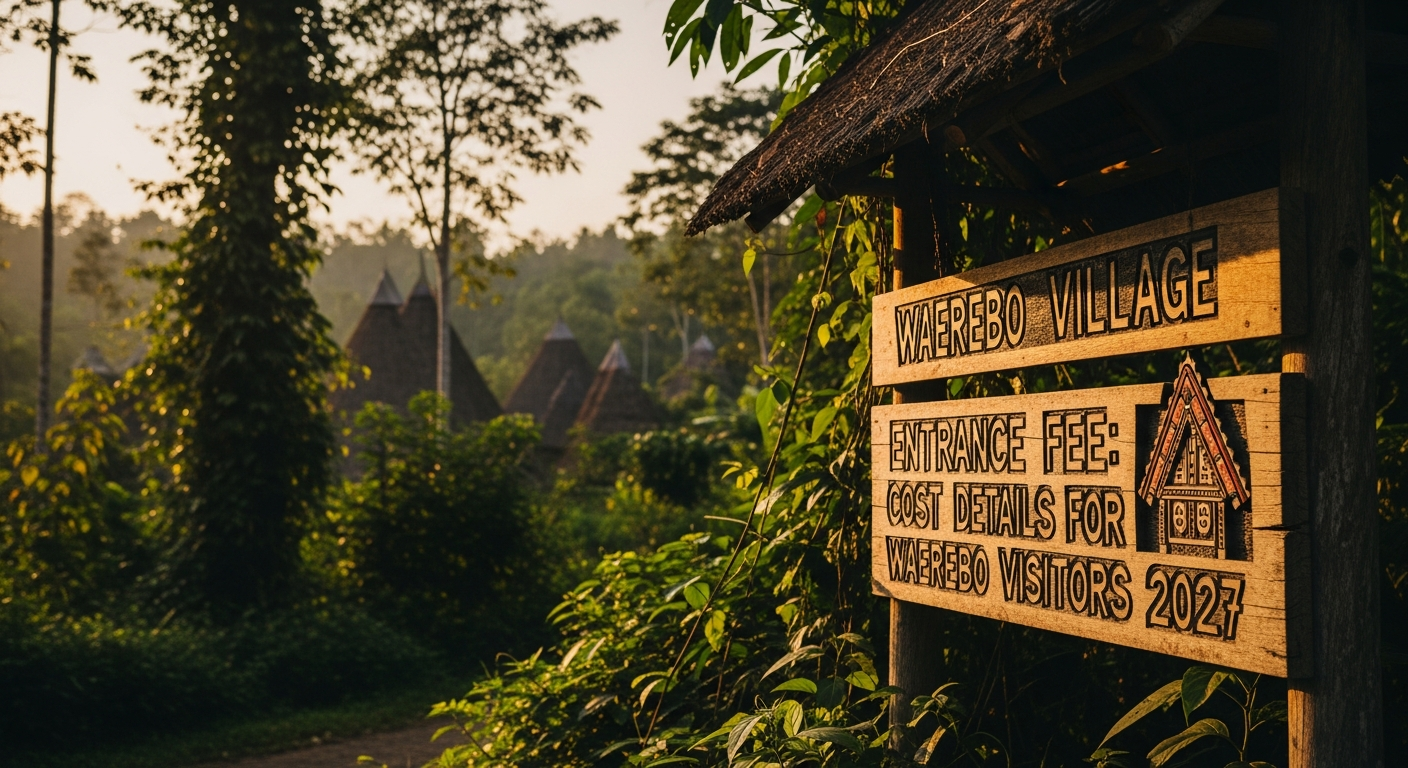
Key Takeaways
- Entrance fee for Wae Rebo Village in 2027 is IDR 500,000 per person, including a local guide.
- Visitors can experience the unique Mbaru Niang houses, accommodating multiple families, during their stay.
- The best visiting season is the dry months, May to September, for easier trekking conditions.
- Plan your visit in November to witness the vibrant Penti ceremony, celebrating the Manggarai New Year.
Waerebo Village, located in the highlands of West Manggarai, offers a unique cultural experience in East Nusa Tenggara, Indonesia. For 2027, visitors should be informed about the entrance fees, which contribute to the preservation and maintenance of this traditional village. Detailed insights into the costs and what you can expect during your visit are provided below.
Introduction to Waerebo Village
Waerebo Village is a remote and traditional village situated at an altitude of approximately 1,200 meters above sea level in West Manggarai, East Nusa Tenggara, Indonesia. The village is known for its unique architecture, consisting of seven traditional cone-shaped houses called Mbaru Niang. Each house has five floors and can accommodate six to eight families. These architectural marvels have garnered international recognition, earning the UNESCO Asia-Pacific Award for Cultural Heritage Conservation in 2012 and the Aga Khan Award for Architecture for their design. The layout of the village and the design of the homes are a testament to the communal lifestyle and the intricate social structures that characterize Waerebo.
Reaching Waerebo requires determination and a sense of adventure. Visitors typically travel a 5–6 hour drive from Labuan Bajo to Denge Village, followed by an additional 2–3 hour trek through hilly and challenging terrain. This journey is not just a physical trek but a passage into the cultural richness and simplicity of the Manggarai region, offering a step back in time to experience a way of life that has remained unchanged for generations.
The Entrance Fee for Waerebo Village in 2027
As of 2027, the entrance fee for tourists visiting Waerebo Village is set at approximately $25 USD per person. This fee is essential for the upkeep of the village and its cultural heritage, helping to fund restoration projects, community education, and the preservation of the unique architectural style of the Mbaru Niang. It is crucial that visitors contribute to these efforts to ensure that future generations can appreciate this cultural notable.
The entrance fee also includes a guided tour of the village, which is led by local residents. These guides are well-versed in the history and traditions of Waerebo and offer invaluable insights into the day-to-day lives of the villagers. Through these tours, visitors gain a deeper understanding of the social and cultural significance of the village, making the fee a worthy investment in cultural education and heritage preservation.
Additional Costs and Accommodation Options
For those looking to extend their visit, overnight accommodation in Waerebo is available. The cost for a two-day tour, including accommodation and meals, is approximately $375 USD. This package includes an overnight stay in one of the Mbaru Niang houses, providing an immersive experience into the communal lifestyle of the villagers. The accommodation is basic but comfortable, offering traditional meals made from locally sourced ingredients.
If you wish to stay longer and explore more of the area, a three-day tour is available, starting from $484 USD. This extended stay provides additional time to engage with the community, partake in local activities, and perhaps even witness traditional ceremonies, such as the annual Penti ceremony held every November. This celebration marks the Manggarai New Year and is an integral part of Waerebo’s cultural calendar.
Getting to Waerebo Village
Traveling to Waerebo Village requires careful planning due to its remote location. The journey begins in Labuan Bajo, a coastal town that serves as the access point to the island of Flores. From Labuan Bajo, visitors typically drive to Denge Village, a journey that takes approximately 5–6 hours. The road is rugged and can be challenging, especially during the rainy season, so it is advisable to hire a local driver who is familiar with the conditions.
Once at Denge, the trek to Waerebo begins. The path is a 2–3 hour hike through dense forests and steep hills. While the trek is physically demanding, it offers a chance to experience the natural beauty of Flores and observe the diverse flora and fauna of the region. It is recommended to start early in the morning to avoid the midday heat and to ensure you reach the village before nightfall.
Cultural Significance and Activities in Waerebo
Waerebo Village is not just a tourist destination; it is a living museum that preserves the cultural and historical legacy of the Manggarai people. The village’s inhabitants claim descent from the Minangkabau people of West Sumatra, tracing their ancestry back to Empo Maro, who migrated to Flores. This rich heritage is evident in the village’s traditions, language, and social customs.
Visitors to Waerebo are encouraged to engage with the villagers and participate in daily activities such as coffee harvesting, weaving, and traditional dance. Coffee is the primary crop grown in the region, alongside cinnamon and vanilla. Agriculture is a communal activity, and visitors often find themselves invited to join in the harvesting process, providing a tangible connection to the land and its people.
The Best Time to Visit Waerebo Village
The best time to visit Waerebo Village is during the dry season, which typically runs from April to September. During this period, the weather is more predictable, making the trek to the village more manageable. The dry season also coincides with several local festivals and ceremonies, offering visitors a chance to experience the lively cultural life of Waerebo.
However, if you wish to experience the Penti ceremony, you should plan your visit for November. This harvest festival is a highlight of the Waerebo calendar and offers a unique insight into the spiritual and cultural practices of the Manggarai people. Regardless of when you visit, Waerebo Village offers a rich and rewarding experience that is sure to leave a lasting impression.
FAQs
Q? What is the entrance fee for Waerebo Village in 2027? A: The entrance fee for Waerebo Village in 2027 is approximately $25 USD per person. This fee supports the preservation of the village and includes a guided tour by a local resident.
Q? How can I reach Waerebo Village? A: To reach Waerebo Village, you must first travel to Labuan Bajo and then drive approximately 5–6 hours to Denge Village. From there, a 2–3 hour trek is required to reach the village.
Q? What are the options for staying overnight in Waerebo Village? A: Overnight tours to Waerebo Village are available, with 2-day tours costing around $375 USD and 3-day tours starting from $484 USD. These tours include accommodation in the traditional Mbaru Niang houses and meals.
For wider arrangements, our partner baliluxurytransport can coordinate end to end.
Planning something bigger across Indonesia? For premium coordination visit baliluxurytransport.
Explore all waerebovillage.com options and plan your trip.
Leave a Reply