Key Takeaways
- Best time to visit Wae Rebo is during the dry months of May to September for clear weather.
- The trek to Wae Rebo is challenging; plan accordingly during these months for safer travel.
- November’s Penti ceremony offers cultural insight but expect wet conditions due to rainy season.
- Wae Rebo’s high altitude creates cooler temperatures year-round, ideal for those seeking a refreshing climate.
Waerebo Village in Bali offers a unique climate experience at an altitude of 1,200 meters in Indonesia’s East Nusa Tenggara. The best time to visit the village is during the dry months, typically between April and September, when trekking conditions are most favorable, and cultural activities are in full swing. Plan your visit during these months for an optimal and immersive cultural experience.
Overview of Waerebo Village Climate
Waerebo Village, located in West Manggarai, experiences a tropical highland climate thanks to its elevation of about 1,200 meters above sea level. This results in cooler temperatures compared to the coastal regions nearby. The average temperature ranges from 15°C to 20°C, offering a pleasant contrast to the heat experienced in other parts of Indonesia. The altitude also contributes to increased rainfall during the wet season, which spans from November to March.
During the rainy months, the region experiences heavy downpours which can result in muddy and challenging trekking paths leading to the village. This makes it difficult for visitors to explore the area comfortably. Therefore, understanding the weather conditions is essential for planning a successful trip to Waerebo Village, especially if you aim to enjoy the cultural and natural beauty it offers without interruptions from inclement weather.
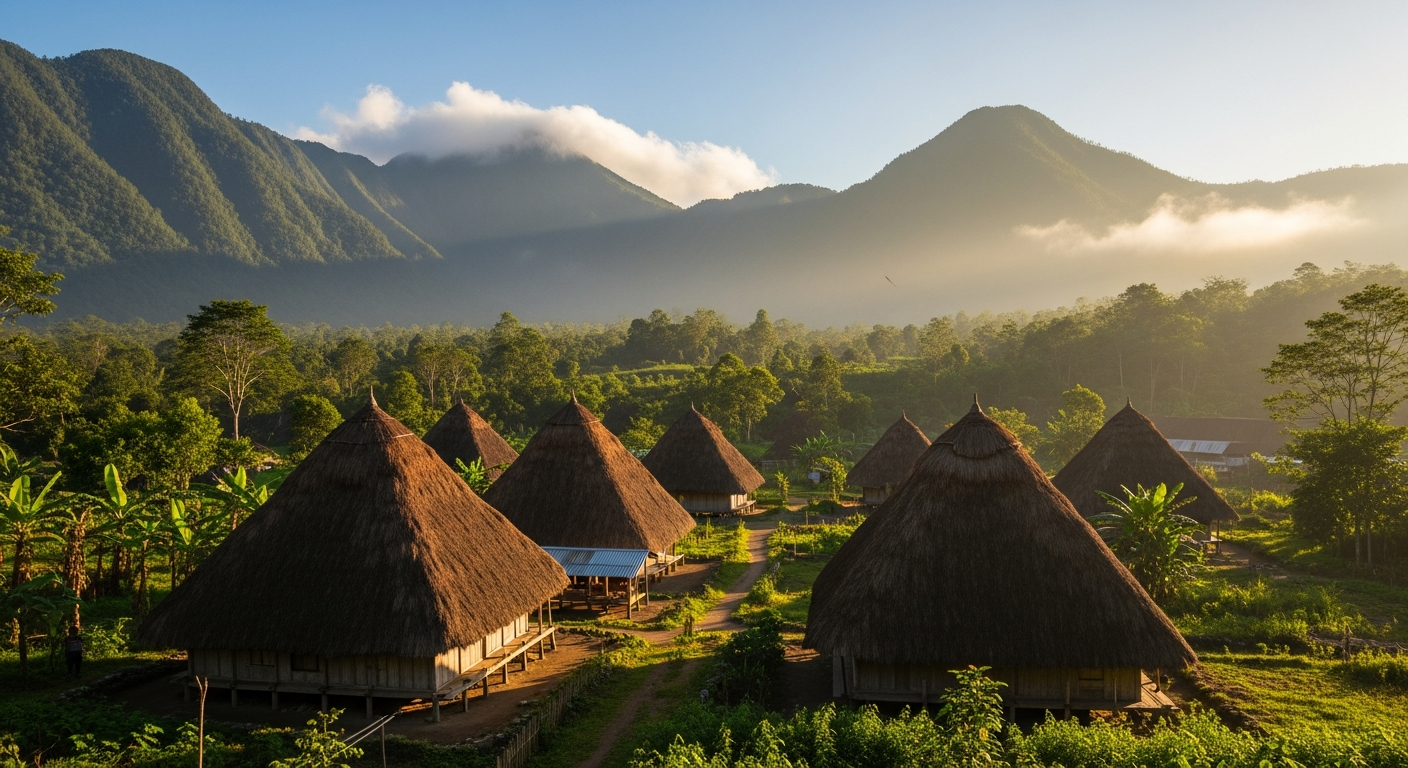
The village’s climate is further influenced by its geographical position. Being set in the mountains, Waerebo enjoys a microclimate that supports a variety of flora and fauna. The lush greenery and biodiversity create a picturesque setting that attracts nature enthusiasts and photographers alike. This aspect of Waerebo adds another layer of uniqueness to its climate and environment.
Ideal Time for Visiting Waerebo Village
The optimal time to visit Waerebo Village is during the dry months, from April to September. These months are characterized by minimal rainfall and relatively stable weather conditions, making the trek to the village more manageable. Visitors can enjoy the scenic journey through the lush landscapes without the risk of rain disrupting their travel plans.
April is often marked as the beginning of the dry season, and although occasional showers may occur, they are usually short-lived. By May, the weather becomes increasingly dry, paving the way for clear skies and excellent visibility of the surrounding landscapes. June through September continues the trend of dry weather, providing the perfect backdrop for outdoor activities and cultural exploration in Waerebo Village.
Travelers should also consider local festivals and events when planning their visit. Though the Penti ceremony in November is during the wet season, it offers a rare glimpse into the village’s rich traditions. Those who prefer more stable weather should aim for visitations between July and August, which are typically the driest months and best for trekking.
The Unique Cultural Appeal of Waerebo
Waerebo is renowned for its rich cultural heritage. The village is home to seven traditional cone-shaped houses, known as Mbaru Niang, which demonstrate the architectural ingenuity of the Manggarai people. These distinctive structures earned Waerebo the UNESCO Asia-Pacific Award for Cultural Heritage Conservation in 2012 and the Aga Khan Award for Architecture.
The cultural significance of Waerebo extends beyond architecture. The annual Penti ceremony held every November celebrates the harvest and marks the Manggarai New Year. While this ceremony occurs during the rainy season, it is a crucial event that reflects the deep-rooted traditions of the Waerebo people. Visitors who brave the journey during this time are rewarded with a lively cultural experience.
The Mbaru Niang houses are not only architectural marvels but also symbols of social organization and communal living among the Manggarai people. Each house can accommodate six to eight families, fostering a strong sense of community and cooperation. The design of these houses, with five floors, is the villagers’ adaptability and resourcefulness in utilizing available materials for sustainable living.
Practical Information for Travelers
Reaching Waerebo Village requires a commitment to travel, involving a 5–6 hour drive from Labuan Bajo to Denge Village, followed by a challenging 2–3 hour trek through hilly terrain. Given the effort involved, it is advisable to plan visits during the dry months when the path is more accessible and less prone to becoming slippery or obstructed by rain.
Tour packages offer guided overnight stays in Waerebo, with prices for a 2-day tour including accommodation starting at $375 USD, while a 3-day tour begins at $484 USD. These tours provide a comprehensive experience, allowing guests to fully engage themselves in the village life and its cultural activities. Booking in advance is recommended, especially during the peak dry months, to ensure availability.
For those considering the journey to Waerebo, it’s important to prepare adequately. Bringing proper trekking gear, such as sturdy shoes and raincoats, is essential. Visitors should also pack light, as the trek can be quite demanding. It’s advised to stay hydrated and take breaks as needed to fully enjoy the panoramic views and serene atmosphere along the way.
Agricultural Practices and Local Economy
Agriculture plays a significant role in the livelihood of Waerebo villagers. Coffee is the primary crop grown in the region, and its cultivation is a vital part of the local economy. The cool climate and fertile soil at Waerebo’s altitude provide ideal conditions for coffee farming, resulting in high-quality beans that are sought after in domestic and international markets.
In addition to coffee, residents cultivate cinnamon and vanilla as cash crops. For sustenance, they grow cassava, maize, rice, and noodles. These agricultural practices not only sustain the community but also preserve traditional farming methods that have been passed down through generations, reflecting the villagers’ connection to their land and heritage.
Waerebo’s agricultural success has led to the development of small-scale trade with neighboring villages, further contributing to the local economy. The villagers often engage in bartering goods, such as spices and produce, enhancing their socio-economic ties with surrounding communities. This system of exchange fosters a sense of unity and collaboration in the region.
Historical and Ancestral Connections
The villagers of Waerebo claim descent from the Minangkabau people of West Sumatra, tracing their ancestry to Empo Maro, who migrated to the island of Flores many generations ago. This unique ancestry is an integral part of the village’s identity and is evident in its cultural practices and community structure.
This historical connection is celebrated through various rituals and ceremonies, which visitors have the opportunity to witness when they visit Waerebo. These practices not only preserve the village’s history but also offer an enriching experience for those interested in understanding the diverse cultural notable of Indonesia.
The influence of Minangkabau culture can be seen in the traditional dances and music performed during village festivities. This cultural blend highlights the adaptability and resilience of the Waerebo people, who honor their ancestry while embracing new influences and ideas.
Local Cuisine and Traditional Delicacies
The culinary experience in Waerebo Village is a delightful exploration of flavors unique to the region. The traditional dishes are primarily based on the locally grown produce, offering visitors a taste of authentic Manggarai cuisine. Meals often feature farm-fresh ingredients, such as cassava, maize, and rice, providing a wholesome and nourishing dining experience.
A popular local dish is “Rumpu Rampe,” a stir-fry made from various vegetables and leaves, seasoned with local spices to enhance its flavor. Another signature dish is “Se’i,” a type of smoked meat that is a staple in many households, reflecting the villagers’ resourcefulness in preserving food.
Visitors are encouraged to partake in communal meals with the villagers, where they can learn about the traditional cooking techniques and the cultural significance of each dish. Sharing a meal with the locals offers a deeper understanding of Waerebo’s hospitality and the strong community bonds that define the village.
FAQs
Q? When is the best time to visit Waerebo Village? A: The best time to visit Waerebo Village is during the dry season, from April to September, when weather conditions are most favorable for trekking and exploring.
Q? What is the Penti ceremony? A: The Penti ceremony is an annual harvest festival held in Waerebo Village every November. It marks the Manggarai New Year and is a celebration of gratitude for the year’s harvest.
Q? What should I expect in terms of accommodation costs? A: Overnight tours to Waerebo Village, which include accommodation, start at $375 USD for a 2-day tour and $484 USD for a 3-day tour, providing a complete cultural experience for visitors.
For wider arrangements, our partner baliluxurytransport can coordinate end to end.
Planning something bigger across Indonesia? Explore curated options at baliluxurytransport.
Explore all waerebovillage.com options and plan your trip.
See also: Waerebo Village Bali Camping Tips: Best Spots for Waerebo Night Stays 2027.
Leave a Reply